
Impact of the second world war
During the second world war, the United Kingdom was forced to undertake a massive agricultural reform. Food rationing would be introduced in January of 1940 to alleviate the pressure on shipping from across the British Empire and the rest of the world. This specifically was to give the people in Britain ‘A fair share’.
Poverty was huge in the late 1930’s and having a work force that wasn’t eating a good and balanced meal wasn’t good for the nation’s health. Having the citizens of the United Kingdom malnourished and hungry was no way to fight a war. At the start of the war, 14% of the British Families daily calorific intake would come from the UK. Grain could be cheaply shipped from The America’s; meat could be frozen and shipped from Argentina. Filling shipping space and cargo haulers across the Atlantic with grain and food simply wasn’t an efficient use of that space when it could have been filled with war materiel. Iron, tungsten, weapons, tanks and fuel. All these things had a more critical role in shipping than things like grain which could be easily grown at home.
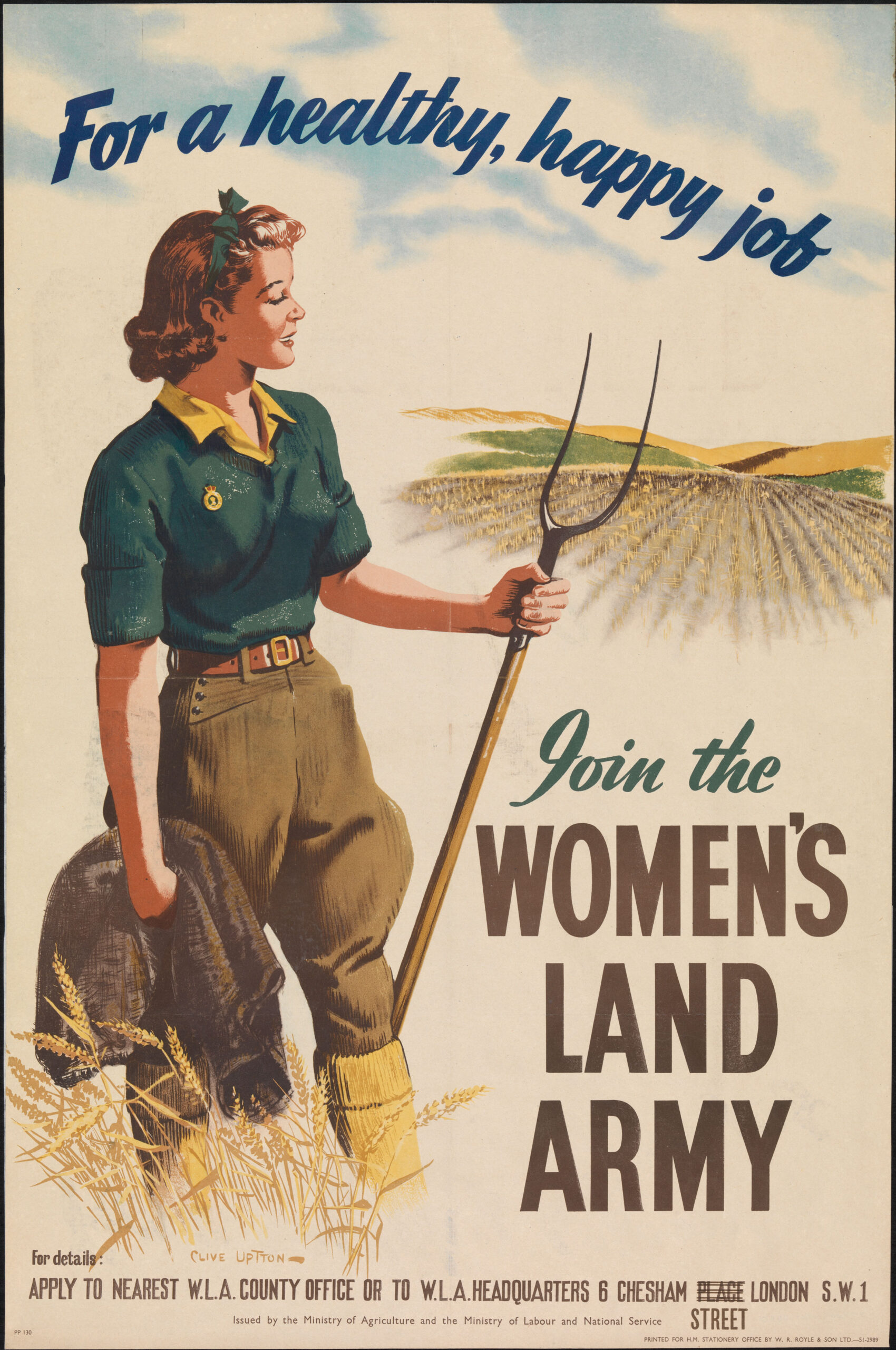
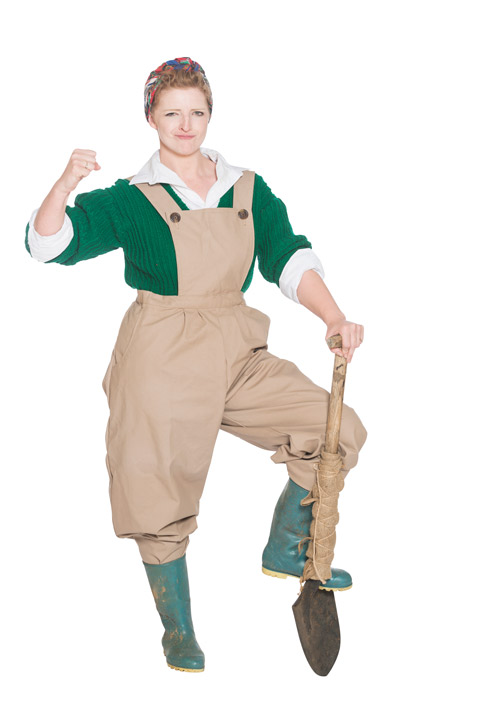
So how do you change an entire farming economy from being in its twilight years to something that by 1945, was producing 91% of the UK’s Calorific intake? The answer lays in a massive surge of farming across the UK. With that farming there needed to be huge numbers of farm hands. It was time, to reactivate the Women’s Land Army.
Women’s Land Army
Founded in 1917 the Women’s Land Army was activated during the First World War to tend the fields while the traditionally male workers fought in the conflict. It would be re-activated in 1939 and put back into service for the second world war. ‘Land Girls’ as they were affectionately called would be trained and sent to farms and working estates across the countryside. An entire wing of the land army called ‘The Women’s Timber Corps’ or ‘Lumberjills’ would be deployed into the forests of Britain to provide the thousands of tonnes of timber the army required.
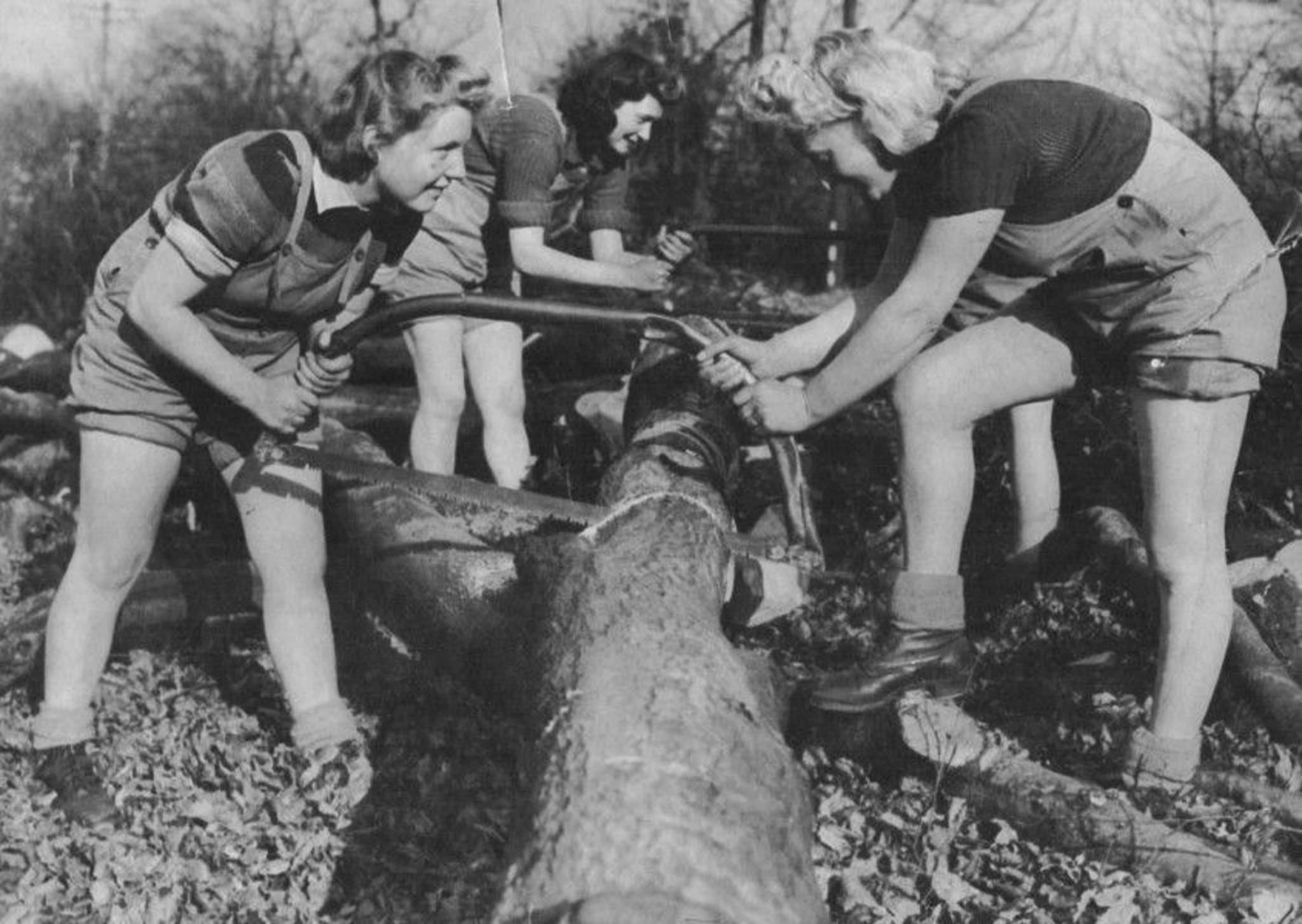
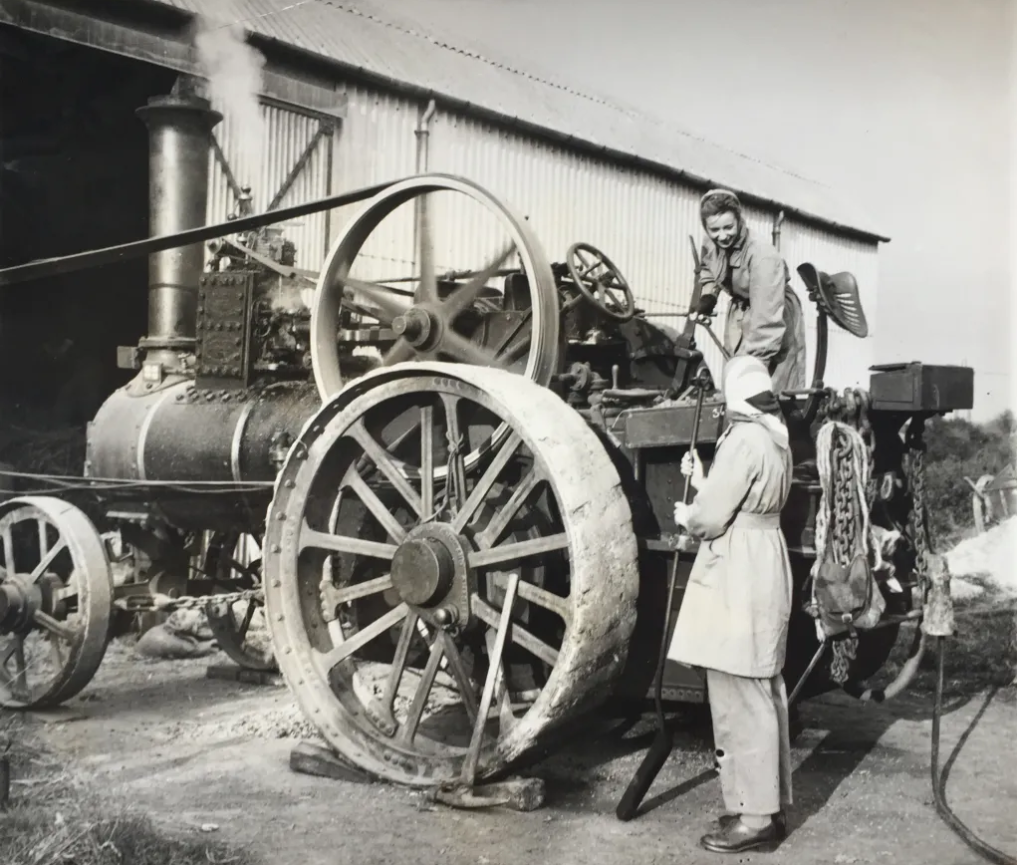
Land Girls took on every aspect of farming life. From sheering sheep in the Derbyshire dales, to threshing wheat in East Anglia. Catching rabbits on the Estates at Highclere Castle (made famous by Downton Abbey) to pulling the ploughs in the fields of Sussex. The work was long and hard with precious little time off. There was a heavy expectation from the government that although the work was hard, their training had been expensive, and they shouldn’t let the country down.
Land girls worked with complex machinery they may have never encountered before. Using steam traction engines to power threshing machines or massive cutting saws in the timber corps.
Pest control
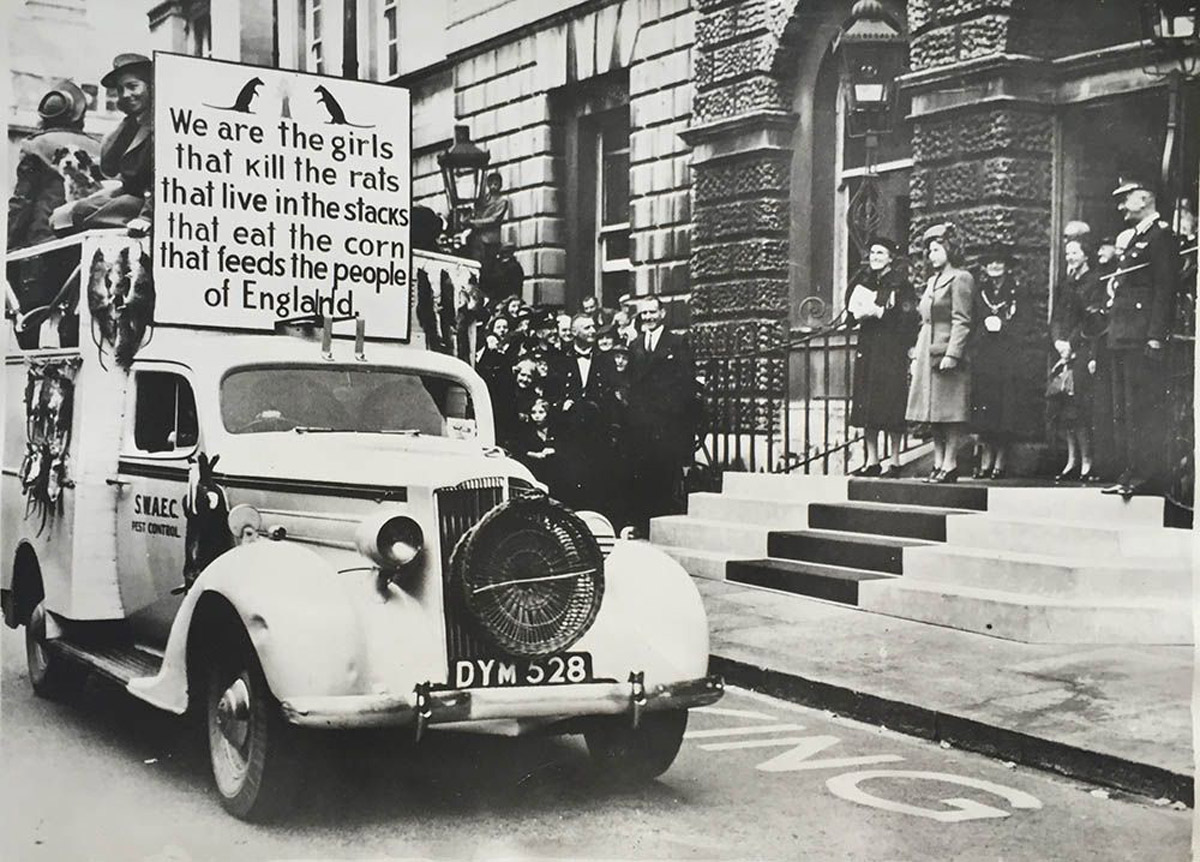
During the war, the Land Army had to tackle massive problems with vermin. Rats, rabbits, crows and pigeons caused the destruction of nearly 10% of crops in the UK. Pigeons would destroy wheat fields, rabbits causing the untold destruction of root vegetables and rats would consume vast quantities of grain from reserves. Land Girls trained to tackle these pests with lots of different methods.
- Poisons and traps.
- Using terrier dogs to catch and kill rats.
- Snares to catch rabbits.
- Handmade nets to catch rabbits to kill quickly.
- Shotguns to shoot pigeons.
The Land Girls worked so hard to tackle the vermin that they reduced the loss of food from 10% down to 5%. That’s a massive number of Rats, Pigeons and Rabbits!
Things like Rabbits could be given to the Agricultural Department and become part of the meat ration for the public.
By the end of the war 200,000 Land Girls were working in farms and on estates. Without them, the food to feed the people of Britain simply could not exist!
Sources:
We have ways of making you talk podcast: Episode 96. James Holland and Al Murray