
People think that the panic buying (and the recent need to limit what we can individually buy from shops), during the Covid-19 pandemic is a new thing.
It’s not! In times of crisis, many kind and generous people do what they can to help others, however sadly, some people do panic and act irrationally. But it’s happened before and government fears about acts of selfishness, resulted in rationing having to be introduced in both WW1 and of course WW2.
Ironically, as a nation, we are not actually short of food this time, the problems now are just caused by some people panicking and hoarding food, (which is sometimes sadly even thrown away and wasted).
A lot of mouths to feed
Britain is a relatively small island and for a long time, (since the population increased after the industrial revolution and the growth of our cities), we haven’t been able to produce enough food to sustain the population here.
So, some food is grown here, but much is imported from around the world. Figures in 2017* reveal that we produced 50% of the food we consume within the UK, 30% came from Europe and smaller percentages from areas like North America, Africa and Asia make up the rest. *(Figures from the Department for Environment Food and Rural Affairs)
Why we went short of food in World War 2
Just before the start of World War 2 about 70% of our food was brought in on large Merchant Navy cargo ships.
When war broke out in 1939, German naval forces started to attack and sink those ships, this quickly began to cut off Britain’s food supply.
The government’s Ministry of Food, had to introduce rationing. (This stopped panic buying and hoarding, as it meant that individuals could only buy a small amount of food every week). This started on the 8th January 1940. The first items to be rationed were things like bacon, sugar and butter.
But as the war progressed, many other foods, including cheese, meat, eggs, fat and milk were also rationed. (Everyone was issued a ration book, you still had to pay for your food, but the books were stamped, ticked, or had pieces cut out, every time you bought something). We had more perishable goods back then too. Pasta keeps for ages, but it was quite rare in Britain in the 1940’s.
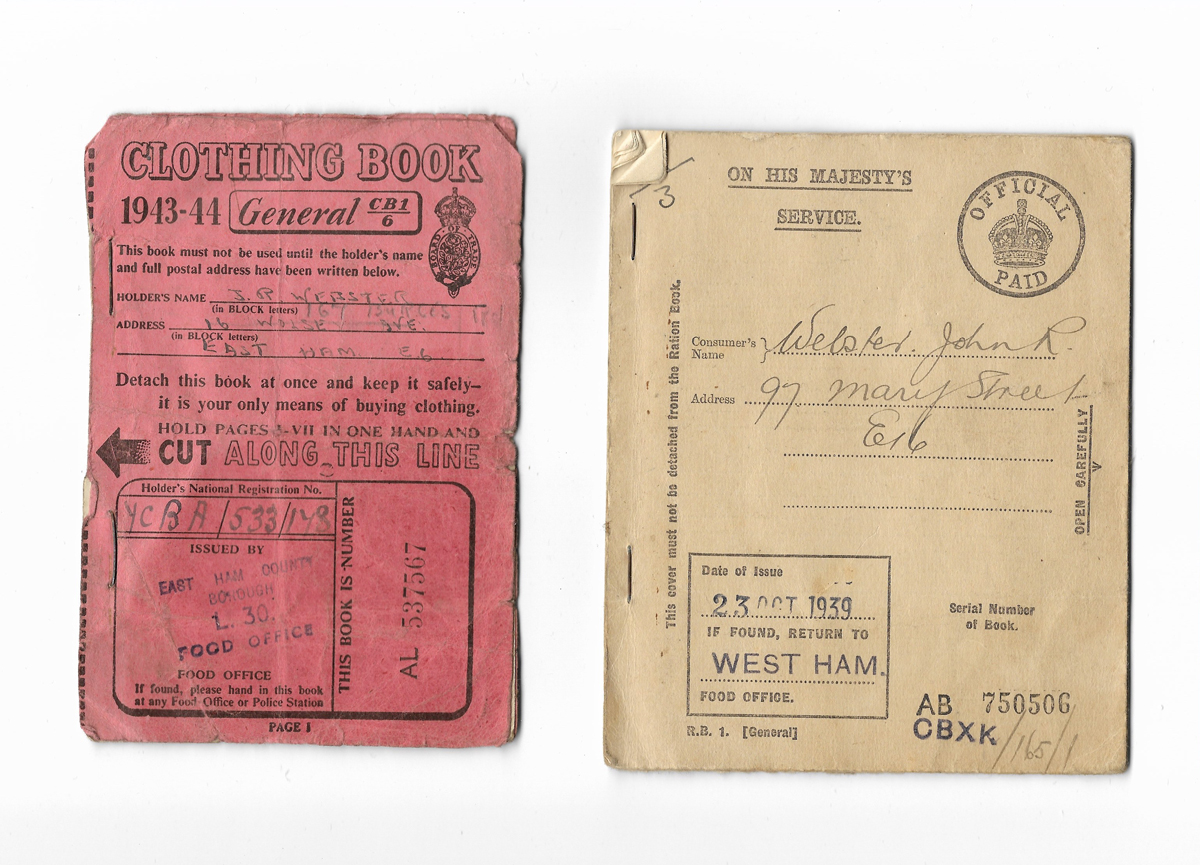
Even sweets were rationed
Yes, kids got just 12oz every 4 weeks (That’s about one big chocolate bar, every month per child).
People of different faiths were respected and allowed to substitute food that their beliefs won’t allow them to eat, (like bacon and cheese). Also, vegetarians had an allowance of extra eggs instead of meat.
These shortages also started what’s known as the ‘black market’, criminal gangs who were always ready to profit from the crisis by selling stolen or pre-hoarded goods. Later in the war, even clothes and petrol were subject to being rationed.
Dig for victory
A campaign was launched that encouraged people to grow their own food, such as vegetables or even encouraged to keep chickens (for eggs), if they had a large enough garden. The government just wanted to have a fair system of food distribution. Even the Royal family were issued ration books.
Also, with most of the men away fighting, the Women’s Land Army did an incredible job in keeping food on Britain’s tables.
On a positive side
It is thought that people had very healthy diets in WW2, compared to how most of us eat today. By the end of the war it is estimated that 70% of food consumed in Britain was produced (grown) here.
In World War 1, a law was passed in 1916, that meant you were breaking the law if you ate more than two courses in a public place like a pub or restaurant. It also became illegal to feed stray animals and pigeons.
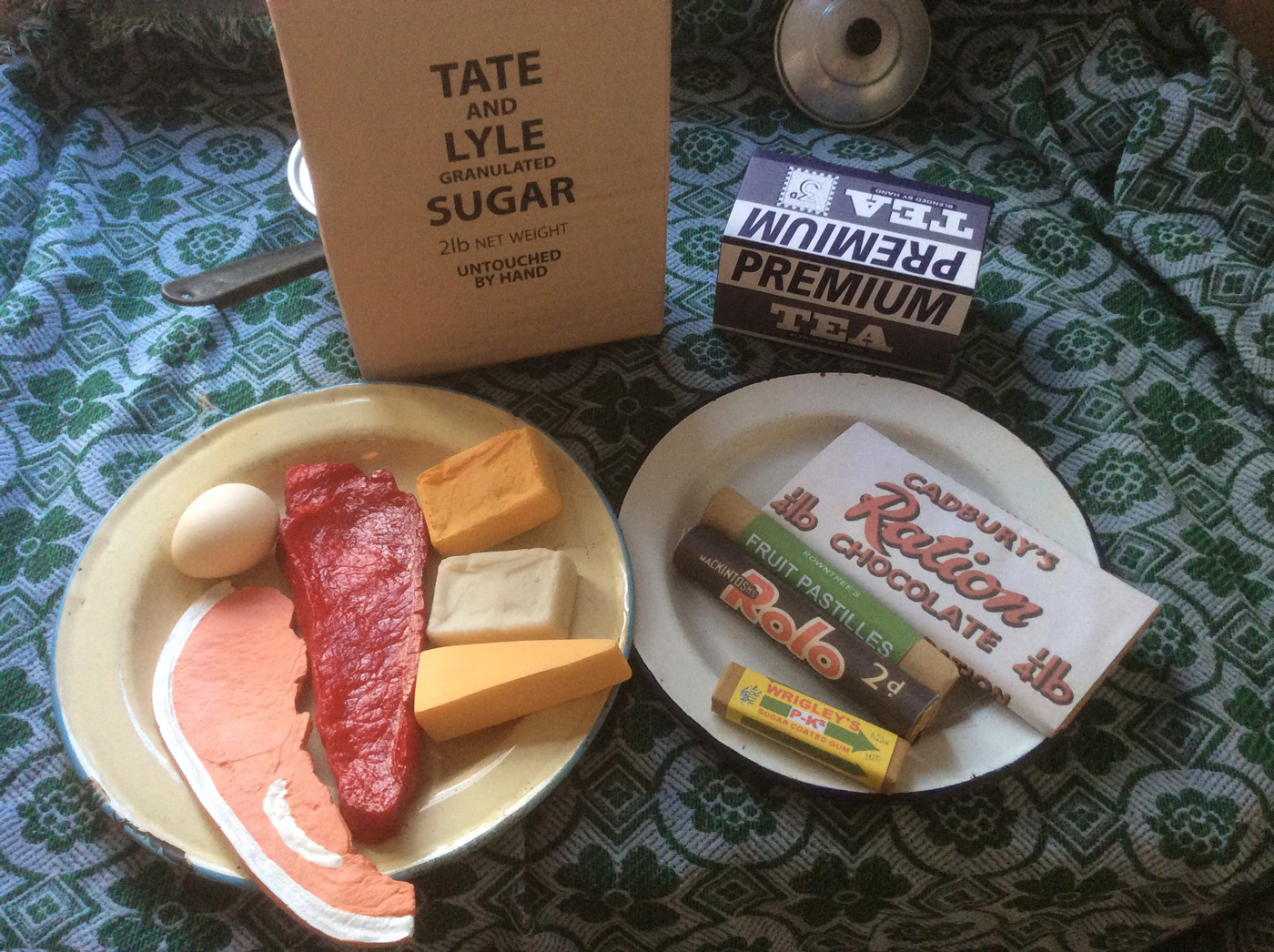
Also, this time: we actually have enough food in this crisis, it’s just a question of people not overbuying and hoarding.
This is all 1 adult was allowed to buy in just 1 week in World War 2: (It doesn’t seem like very much does it?)…
- Milk 3 pints
- Butter 2 oz
- Bacon and Ham 4 oz
- Meat (About 2 ‘chops’)
- Cheese 2 oz
- Margarine 4 oz
- Cooking fat 4 oz
- Sugar 8 oz
- Jam/Marmalade 1lb every 2 months
- Tea 2 oz
- Eggs 1 fresh egg (plus dried egg powder)
For a bit of a mental exercise: look up the amounts on a conversion table online if you aren’t familiar with the old imperial weight measurements, it may shock you).