
So many of my American friends think that we British are annoyed that we lost the American Revolution and share, gleefully, that they have the fourth of July off work. The American Revolution is little taught in Britain despite being an interesting period of our shared history.
The World Turned Upside Down
The revolution came to an end with the surrender of Yorktown to a allied force of French and colonials. As they marched out the band played “The World Turned Upside Down” and from the perspective of the time it was. How was it that British citizens would ally with the French against the King? The short answer is absolute mismanagement by London and the Monarchy. The origins of the revolution lie in the profoundly effective attempt by the British state to drive the colonists to create their own non-British identity and the continued trampling of the American rights by the British Parliament.
Becoming Americans
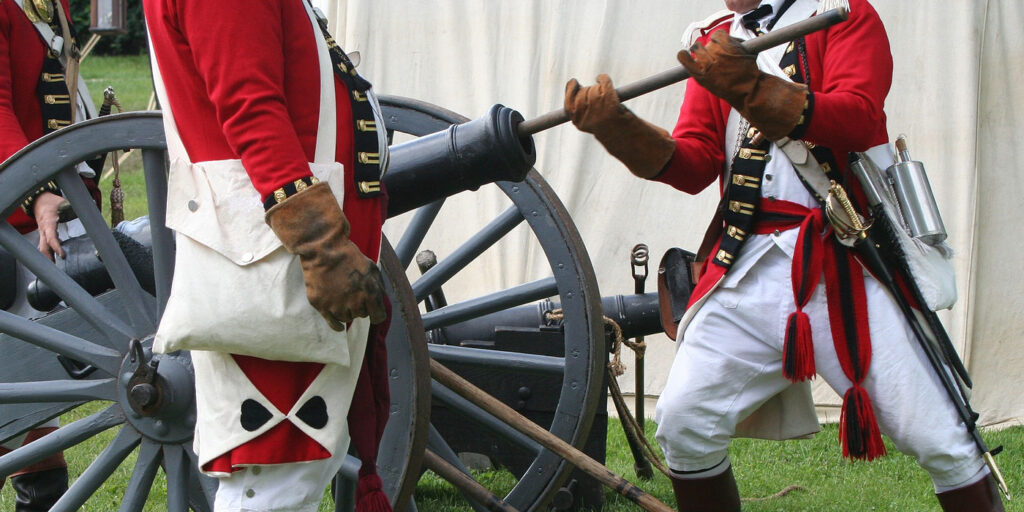
Before the revolution the majority of colonials thought of themselves as British and by the end they thought of themselves as Americans. This distinct identity forms through independent actions without support from Britain, for example during the King Philip War. Another example is the capture of the fortress in Louisbourg during the King Georges War. The fortress was ceded back to the French by the British in return for valuable territory in India which was quite a snub to the colonials who had paid in blood and treasure for this strategic fortress. By the late 18th century the colonials had well trained, battle tested militia who could be used against the British who did not help their cause by handing the colonials propaganda materials in the form of the Boston Massacre. Myth makers wove Lexington, Paul Revere and the Boston Massacre into a distinctive origin story for the USA. Effectively creating a new nation out of colonies and drawing a clear distinction between the British and Americans where previously there had been one people.
The British continued to trample on the rights of the colonialists leading to the current American obsession with rights. The colonials saw themselves as Englishmen and the inheritors of the traditional rights and freedoms under the unwritten English constitution. George Washington was a keen Anglo-Saxonist who saw these rights as rooted in the ancient past of the English people and fundamental to their identity. He passionately wanted Hengist and Horsa to be put on the US seal.
Despite being officially neutral in the English Civil War the colonies were sympathetic to the Commonwealth to the point of Massachusetts not recognizing the restored Monarchy.
As early as the reign of Charles II these were under attack as the crown sought to centralise and control the colonies. On and off attempts were made to increase the authority of the crown and these irritated the sensibilities of the colonials. By the late 18th century the Crown sought to tax the colonies to pay for American and Indian conflicts. Great figures such as Benjamin Franklin and Adam Smith debated the cost of these taxes but the significance did not lie in the money per se rather in the manor in which these taxes were imposed. The Stamp Tax, an insignificant cost, provoked the significant response of “No Taxation without Representation” a call that reminds us of the Ship Tax that provoked the English Civil War and the Suffragettes campaigning for the right of women to work. The Crown imposed taxation without representation, marshal law and challenged the authority of traditional assemblies effectively driving the colonials to arms to protect their rights they held as Englishmen against the English crown.
Building American Identity Through Conflict
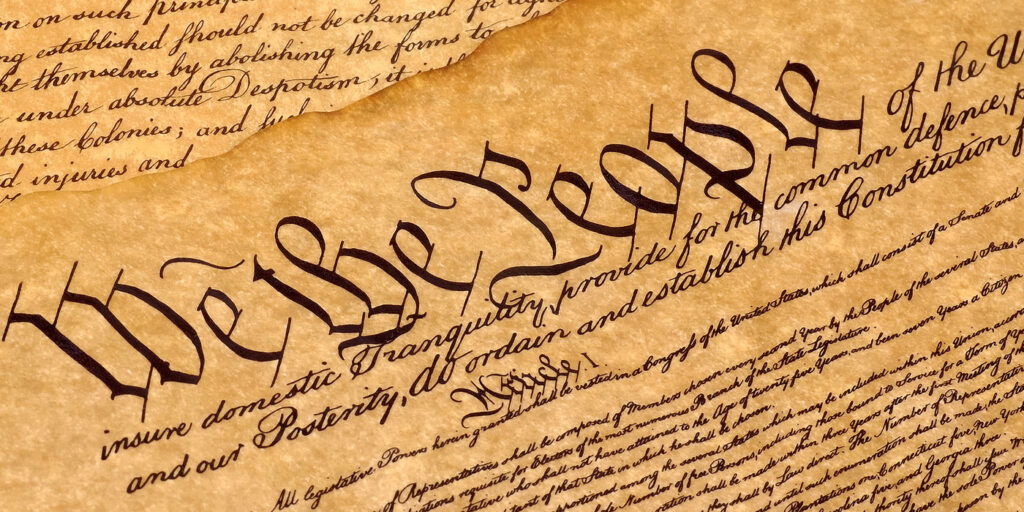
American identity was forged through conflict with French colonialists and Indian nations as well as, ultimately, the British crown. Part of this manifested as a profound interest in Constitutional law and their rights under that constitution. In a very deliberate break from British tradition the Americans opted for a written constitution which drew very heavily on traditional English rights and liberties as well as being informed by radical thinkers like Thomas Paine and French influences. After independence was recognized and relations between Britain and the new USA normalized trade and co-operation flourished despite a few hiccups. Come this 4th July I for one will raise a glass to my American cousins and wish them a happy birthday.